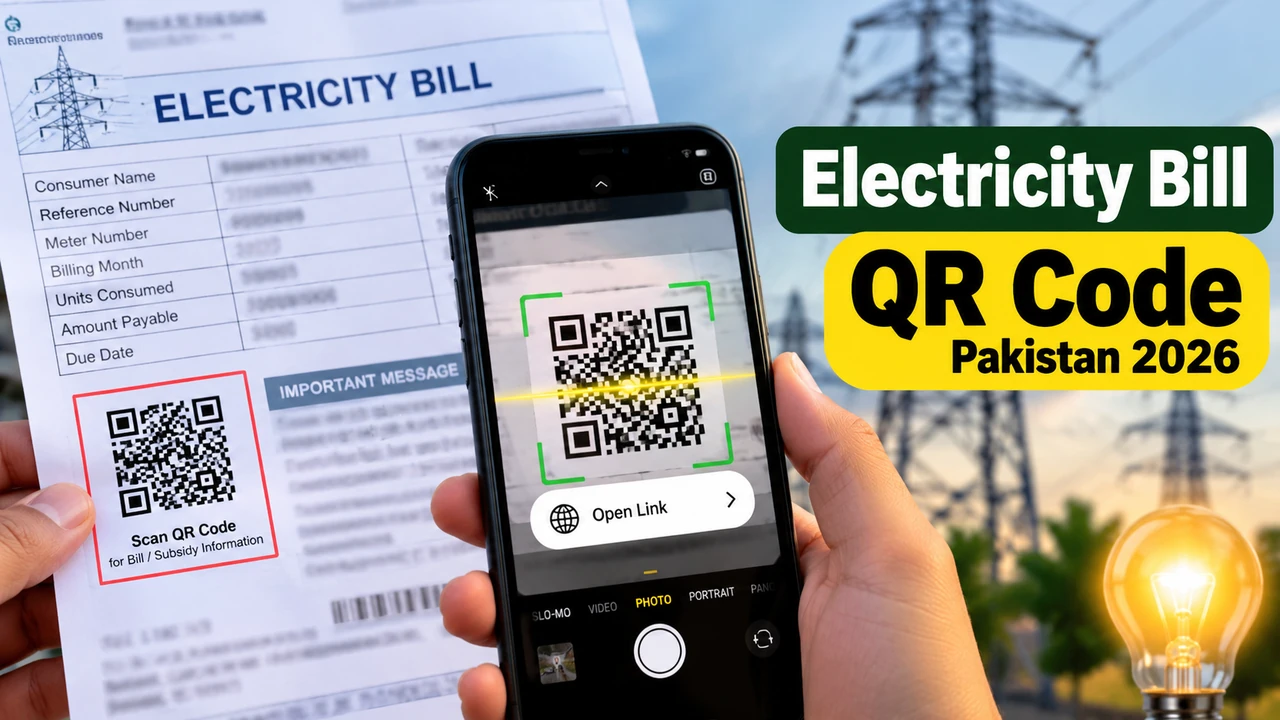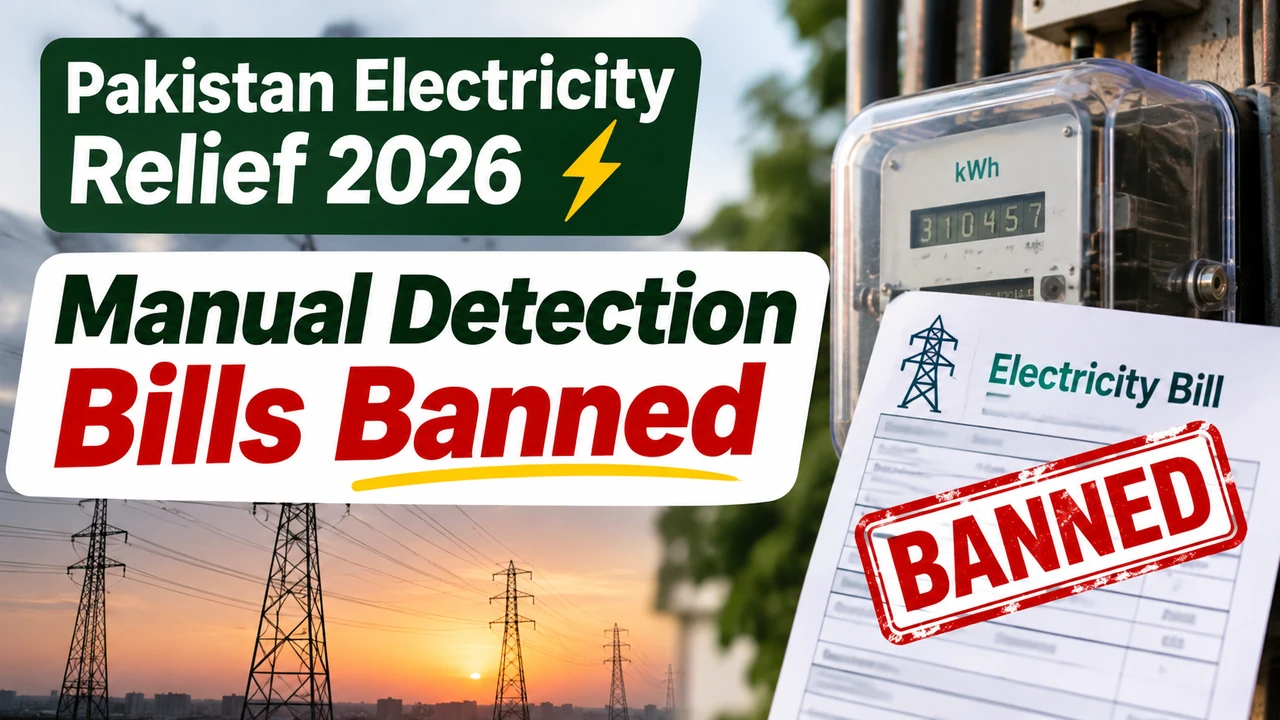
Pakistan’s electricity billing system is changing after directions issued by the Power Division on October 23, 2026. Electricity distribution companies (DISCOs) must process detection bills through a centralized online portal developed by the Power Information Technology Company (PITC). Manual detection billing by field staff and Sub-Divisional Officers (SDOs) has been prohibited.
The reform aims to reduce arbitrary charges and improve accountability. It also addresses defective meters and proposed limits on certain adjustments.
This is a billing reform, not a cash payment or registration scheme. It does not announce an application process, automatic refund, or general electricity tariff reduction.
What Is a Detection Bill?
A detection bill is an additional charge raised when a distribution company investigates a possible difference between electricity used and the amount recorded or billed. Cases may involve suspected meter tampering, unauthorized use, or inaccurate readings.
Under the new directions, DISCOs must issue these bills through the PITC portal rather than manual procedures. Officials who breach the instructions may face disciplinary proceedings and major penalties.
This does not cancel all detection bills or stop genuine investigations. Companies may recover legitimate charges under applicable rules, but must have a proper basis and calculation. An unusual meter reading alone does not prove theft.
Main Changes in the October 2026 Announcement
The announced framework includes the following measures:
- Detection bills must be processed through the centralized PITC portal; manual detection billing is prohibited.
- Defective or burnt meters should be replaced immediately or within two billing cycles.
- Average billing during meter replacement is intended to be limited to two months.
- Slow or fast meter adjustments are limited to the preceding two billing cycles under the announced framework.
- Periods of three billing cycles for illegal abstraction by general consumers, six months for registered consumers, and twelve months for unregistered consumers are proposed.
- DISCO boards and customer services committees are expected to conduct detailed monthly reviews.
Important: The three-cycle, six-month, and twelve-month periods are proposed changes to the Consumer Service Manual (CSM), not automatically final regulations. Check the formal notification and implementation status before relying on them. A billing cycle may not equal a calendar month. These proposals also do not automatically cancel earlier detection bills.
What Should Consumers Do?
If your meter is defective, burnt, or appears to record consumption incorrectly, contact your DISCO. Keep the complaint number and any inspection or replacement documents.
If you receive an unexpectedly high detection bill, check your consumer reference number, meter reading, and billing period. Compare the amount with previous bills and ask the company for a written explanation of the assessment period and calculation. Submit a written complaint to the relevant customer service office and keep its acknowledgment.
Keep previous bills, meter photographs, inspection reports, and company notices. If unresolved, consult the National Electric Power Regulatory Authority (NEPRA) complaint procedure. Consumers can request evidence and calculations.
Beware of Fake Electricity Relief Offers
This policy does not create a cash relief payment or registration facility. Be careful with messages promising bill cancellation, guaranteed discounts, or refunds.
- Do not pay fake agents or make advance payments to obtain relief.
- Avoid unofficial registration links and suspicious forms.
- Never share your CNIC details, bank information, or OTP codes with unknown people.
- Treat claims of guaranteed refunds or special tariff cuts as suspicious.
Verify electricity-related claims with your distribution company or government authorities.
Where to Check Official Updates
For reliable updates, use these official sources.
Check official updates on the Press Information Department website
Consult the NEPRA complaint procedure for unresolved billing complaints
The centralized PITC portal is named in these directions, but no PITC portal URL was stated in the source material. For portal and billing procedures, contact your DISCO. Contact your DISCO for billing complaints, meter replacement procedures, and applicable rules.
Conclusion
The Pakistan Electricity Consumers Relief 2026 update focuses on centralized detection billing, stronger oversight, and measures for defective meters. It also describes proposed limits for certain adjustments. Consumers should review their bills, keep records, and use official complaint channels. Proposed periods must be checked against formal notifications before being treated as final rules.